Calculate risk and determine clinical management based on the latest cardiology guidelines released March 13, 2026.
Read Guidelines
Patient Information
Risk Status
Incomplete Data
N/A
Enter patient details to determine category and strategy.
Recommendations
Awaiting patient data...
Targets & Exposure
LDL Target
—
Non-HDL Target
—
Cumulative Exposure—
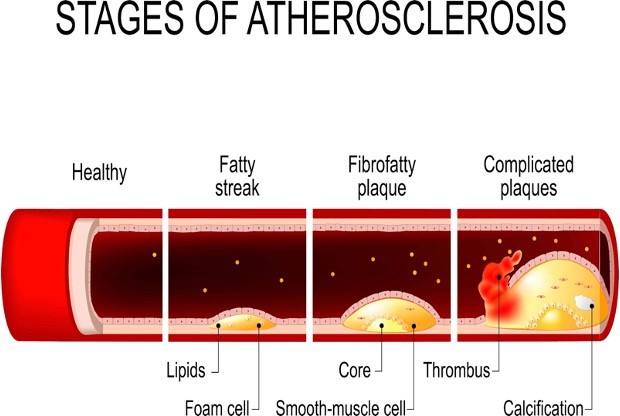
Plaque typically begins to form at ~2,500 mg-years (Age × LDL-C).
PREVENT Equations Replace the PCE
The 2026 guidelines retire the Pooled Cohort Equations (PCE) in favor of the PREVENT (Predicting Risk of Cardiovascular Disease EVENTs) equations. PREVENT provides both a 10-year and a 30-year total CVD risk estimate.
The 30-year estimate is specifically emphasized to capture the cumulative burden of risk factors — particularly important for younger patients whose 10-year risk may appear low despite significant long-term exposure.
10-Year Risk Thresholds
Low (<3%): Focus on lifestyle. Consider a statin if 30-year risk is high.
Borderline (3% to <5%): SDM required; discuss moderate-intensity statin.
Intermediate (5% to <10%): Statin recommended. Goal LDL <100.
High (≥10%): High-intensity statin. Goal LDL <70.
30-Year Risk & Early Action
For adults aged 30–59 with a low 10-year risk (<3%), the 30-year score identifies candidates for early intervention:
Threshold ≥10%: Considered a Class 2a trigger for starting a moderate-intensity statin to achieve LDL <100 and Non-HDL <130. This strategy prevents decades of silent plaque accumulation.
Statin intensity is matched to cardiovascular risk. High-intensity statins (atorvastatin 40–80 mg, rosuvastatin 20–40 mg) are expected to reduce LDL by ≥50%, while moderate-intensity statins (atorvastatin 10–20 mg, rosuvastatin 5–10 mg) target a 30–49% reduction.
Universal Lp(a) Screening
The 2026 guidelines recommend a one-time Lp(a) measurement for all adults. Lp(a) is genetically determined and largely unaffected by lifestyle or statin therapy. An elevated Lp(a) ≥125 nmol/L (or ≥50 mg/dL) is an independent risk-enhancer and typically prompts escalation to a lower LDL target (≤70 mg/dL), regardless of the PREVENT score.
CAC as a Tie-Breaker
For patients in the borderline or intermediate risk zone (3% to <10%) who are uncertain about starting medication, a Coronary Artery Calcium (CAC) score is the preferred decision aid:
CAC = 0: "Power of Zero" — statin initiation can reasonably be deferred with reassessment.
CAC 1–99: Presence of plaque; supports initiating therapy to reach LDL <100.
CAC ≥100: Significant plaque burden; escalates target to LDL <70.
CAC ≥1000: Very high burden; escalates target to LDL <55.
The 2026 Target Tiers
The 2026 guidelines use a risk-stratified approach to LDL lowering. The more risk factors present, the lower the required target.
Tier 1: Low-to-Intermediate Baseline
Target: LDL < 100, Non-HDL < 130
Standard primary prevention for 10-year risk 3% to <10%, or younger patients (30–59) with a high 30-year risk trigger.
Tier 2: High Risk Tier
Target: LDL < 70, Non-HDL < 100
Required for 10-year risk ≥10%, Diabetes with extra risk factors, or a CAC score ≥ 100.
Tier 3: Very High Risk Tier
Target: LDL < 55, Non-HDL < 85
Reserved for secondary prevention (known CVD) or extreme risk markers like a CAC score ≥ 1000.
Clinical Decision Support Disclaimer
This calculator is intended for use by healthcare professionals as a decision-support aid. It is based on the 2026 ACC/AHA Dyslipidemia Guidelines but should not be used as the sole basis for clinical decisions.
Not Medical Advice: The results provided by this tool do not constitute medical advice, diagnosis, or treatment recommendations. Always exercise clinical judgment and consider the patient's full medical history and preferences.
Liability: The creators and maintainers of this tool are not responsible for any clinical outcomes resulting from the use of this software. By using this tool, you acknowledge that you are a qualified professional responsible for your own clinical decisions.
Accuracy: While every effort is made to ensure the accuracy of the PREVENT equations and guideline thresholds, users should verify critical calculations against official sources.
Contact & Feedback
Have a suggestion or found a bug? Use the form below to send a message directly to the tool maintainer.